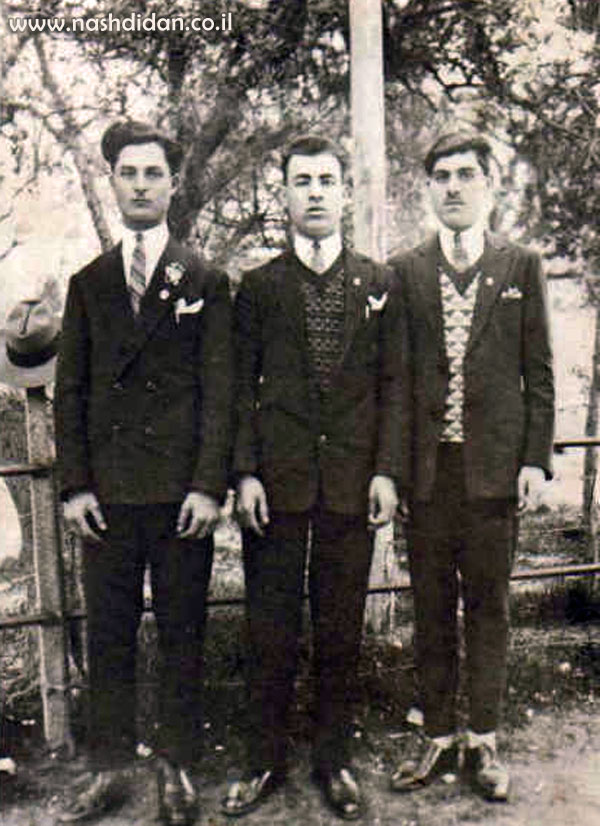
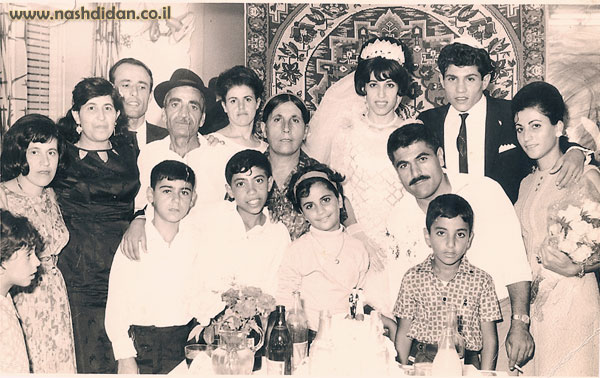
Photos submitted by members of the site. If you have photographs you would like to share from community life before or after immigration, please contact us!
Van, Turkey – 1955?באשקלה, טורקיה – 1964באשקלה, טורקיה – 1935?Van, TurkeyTiflis, 1920Urmia, 1915Urmia, 1932Urmia, 1942Salmas, before 1910Istanbul, 1928Shimon and Shoshana Baskal (Oren)Shimon Baskal (Oren)Cohen family, Jerusalem, 1930Immigration certificate, Jerusalem, 1930Tiflis, 1920 בערךבניימין קוטלר – דדשWedding in the Demirel familyAggajan and Esther Cohen, BaghdadJerusalem, 1939Jerusalem, 1930Jerusalem, 1940Shem-Tov familyNissan and Sarah MashiahNissan Mashiah and Sarah, née MansoufJerusalem, 1930Jerusalem, 1970Jerusalem, 1930.Baghdad, 1925Jerusalem, 1932Baghdad, circa 1927Jerusalem, 1927:גב התמונה בכתב רש”יJewish family in Salmas.Jewish family in SalmasShamir family, 1955Reuven Zadeh family, 1961משפ’ שמיר – ירושלים, 1960Construction of the synagogue in JerusalemConstruction of the synagogue in Jerusalemביה”כ יבנה בירושליםביה”כ יבנה בירושליםביה”כ יבנה בירושליםביה”כ יבנה בירושליםKalimian Synagogue in Urmia, 2012Kalimian Synagogue in UrmiaJewish community in UrmiaUrmia, 1940Hakham Sheikh Abdullah, the physician from UrmiaHolar ben Golbahar EliasiPahnasi family, Mahabad, 1927Yitzhak and Sedaf Cohen, Urmia
Photos of the Synagogue in Urmia, from this user’s Facebook page here
Urmia is a city where different religions, beliefs, and ethnic groups have lived together. This time, we present the only house of prayer of the Jews of Urmia. The synagogue of the Jews of Urmia, the city’s only Jewish house of prayer, dates to the late Qajar period. The synagogue is located on Motahari Street, beside the old market (the carpenters’ market, opposite the market of the Dashub makers) in Urmia. The synagogue has a rectangular plan. On its southern side is an elongated octagonal iwan, situated between two rooms on either side of the entrance and attractively designed. The interior is hall-shaped, with a brick-paved floor and a wooden ceiling. The sanctuary is located at the center of the iwan. The main building materials are brick and wood, which is also used for the columns and ceiling.